Micronesia
Kiribati
It still amazes me how, in the vast expanse of the Pacific Ocean, every single region, and indeed, every single island - even within the same country - is distinct. From the landscape, climate, history, and culture, to dance and language, each element is unique and interconnected. As soon as you arrive, it becomes apparent how the type of island shapes its way of life.
Life on an atoll is quite different from that on other kinds of islands. The poor soil quality means it's challenging to grow food, and the limited space requires creativity to accommodate the local needs. Atolls are remnants of receded volcanoes, formed when a ring of coral surrounds them and rises above the water's surface. But the tale of different types of islands, atolls, and corals is for another day.
First things first
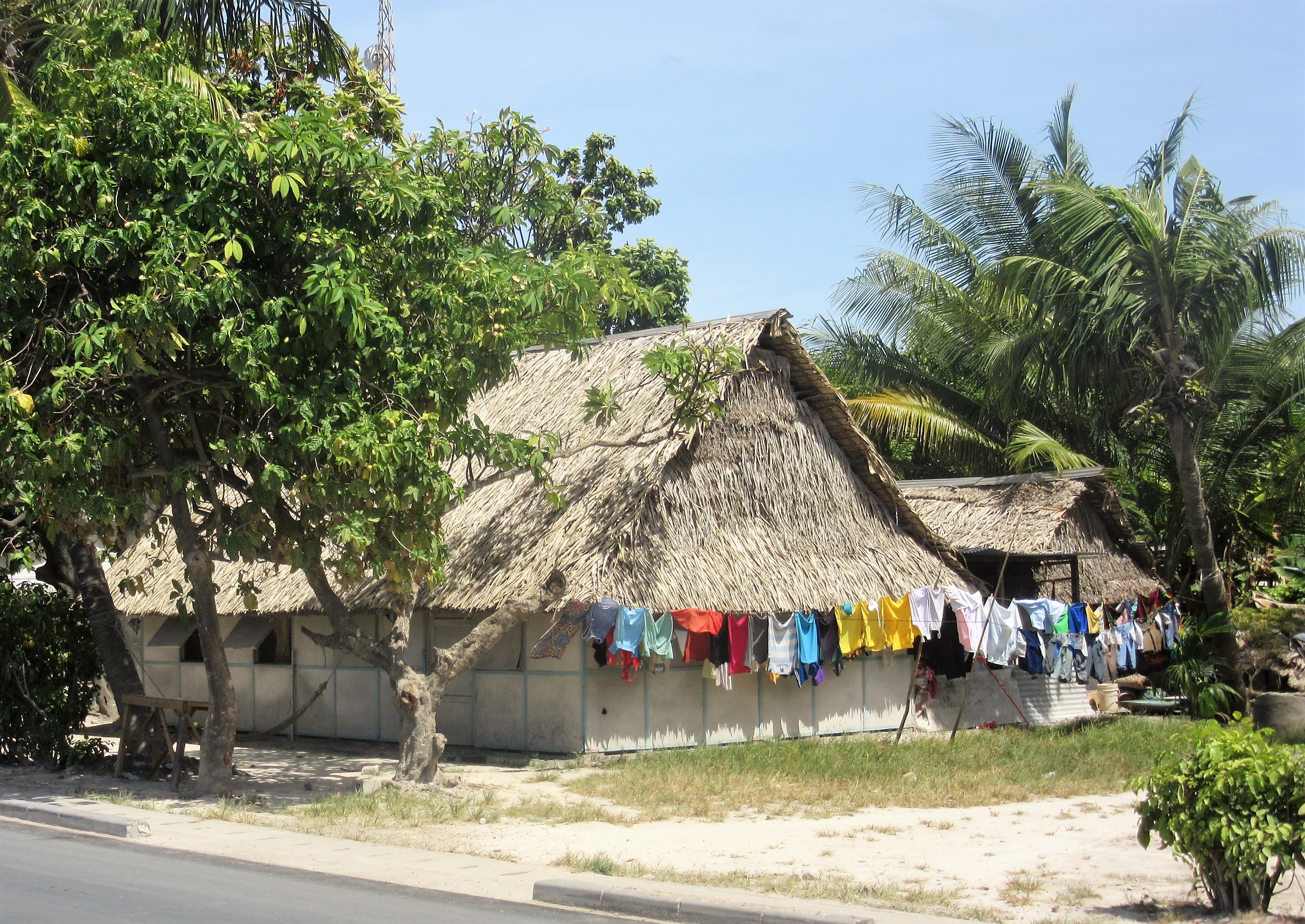
Let's start from the beginning. Kiribati (where 'ti' is pronounced /s/, 'Ki-ri-bas') is a country located in Micronesia. This nation consists of 32 atolls and one remote raised coral island, of which 21 are inhabited. Over half of its population resides on Tarawa atoll. The population density on Tarawa is 3,578/km2. Given that most residents live in single-story buildings, you can picture it better.
Location
Kiribati spans a vast area of the Pacific, encompassing all four hemispheres: northern, southern, eastern, and western. It stretches 2,900 km eastward. In 1995, the international date line was adjusted around the eastern Kiribati islands, ensuring the entire country would fall within a single calendar date and time zone. This adjustment meant that the 31st of December 1994 was skipped in the calendar of the eastern Kiribati islands. Have you ever seen those New Year's broadcasts of a nation celebrating the new year ahead of everyone else? This is the very place. That's Kiribati.
Climate
The country is extremely vulnerable to climate change, as the islands rise only a few meters above sea level. In a proactive measure to safeguard its nation, the government purchased land in other parts of the Pacific, including Fiji, which is currently used for food production. They are also considering the creation of artificial islets in the ocean. Additionally, the government has reached out to Australia and New Zealand to discuss potential assistance in accommodating I-Kiribati people should they be forced to leave their homeland.
Adrift in the Equatorial Pacific by J. Maarten Troost
“Stealing, I was told, was a major offense in I-Kiribati culture. I could see why. There is absolutely no good reason for stealing in Kiribati. This is because of the ‘bubuti’ system. In the ‘bubuti’ system, someone can walk up to you and say ‘I bubuti you for your flipflops’, and without a peep of complaint you are obliged to hand over your flipflops. The following day, you can go up to the guy who is now wearing your flipflops, and say ‘I bubuti you for your fishing net’, and suddenly you have a new fishing net. In such a way, Kiribati remains profoundly egalitarian”.
Gallery
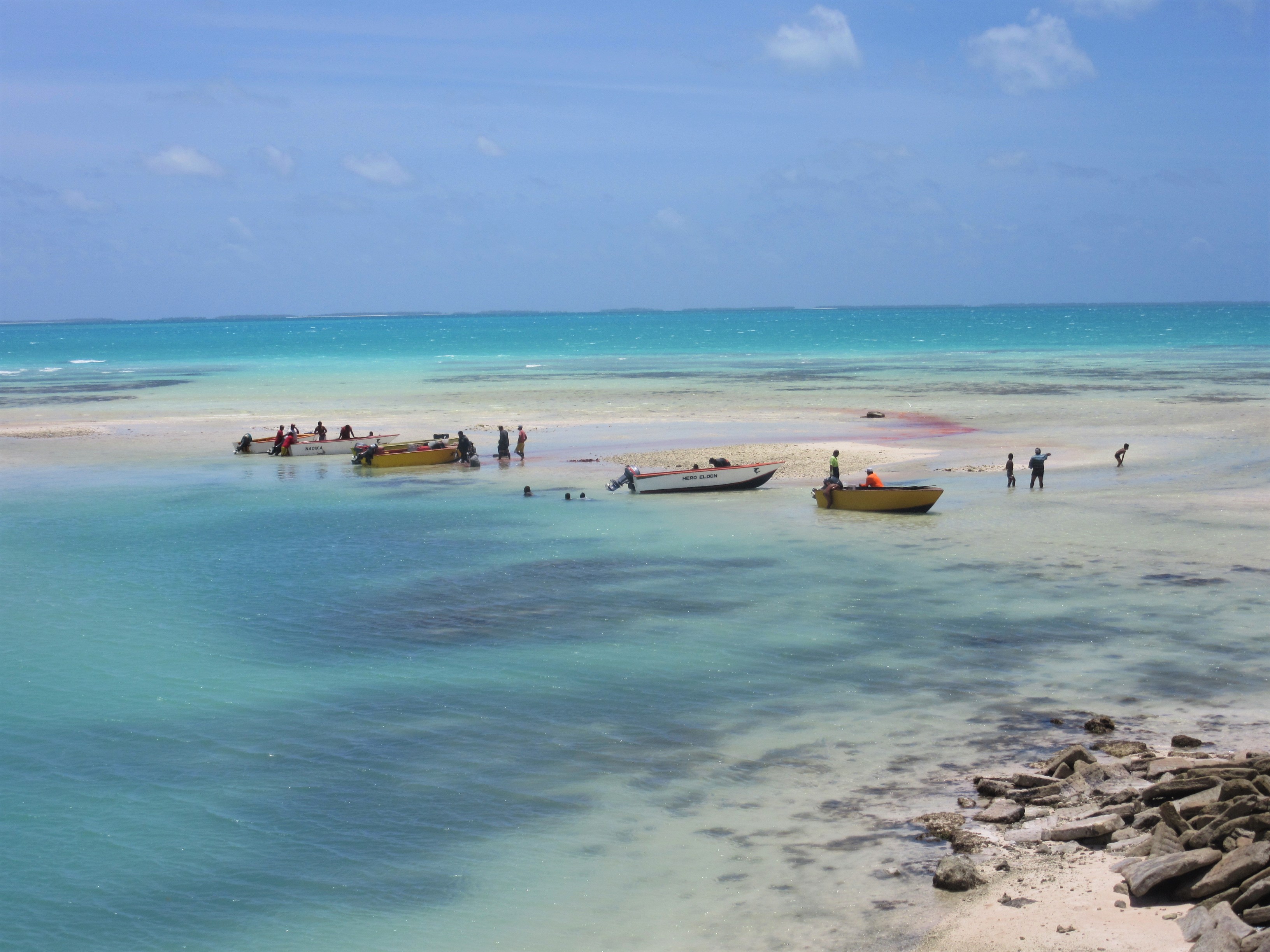
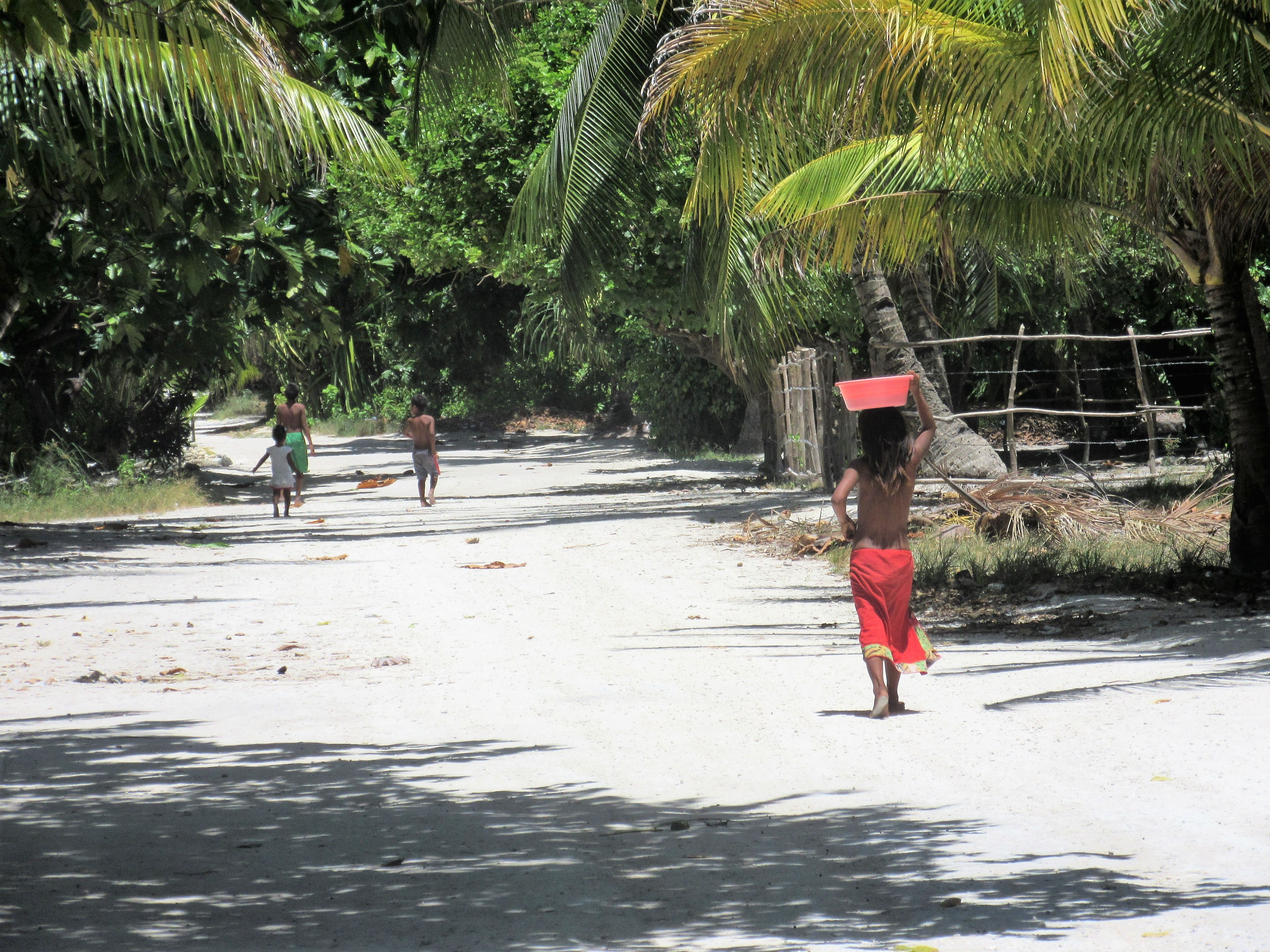
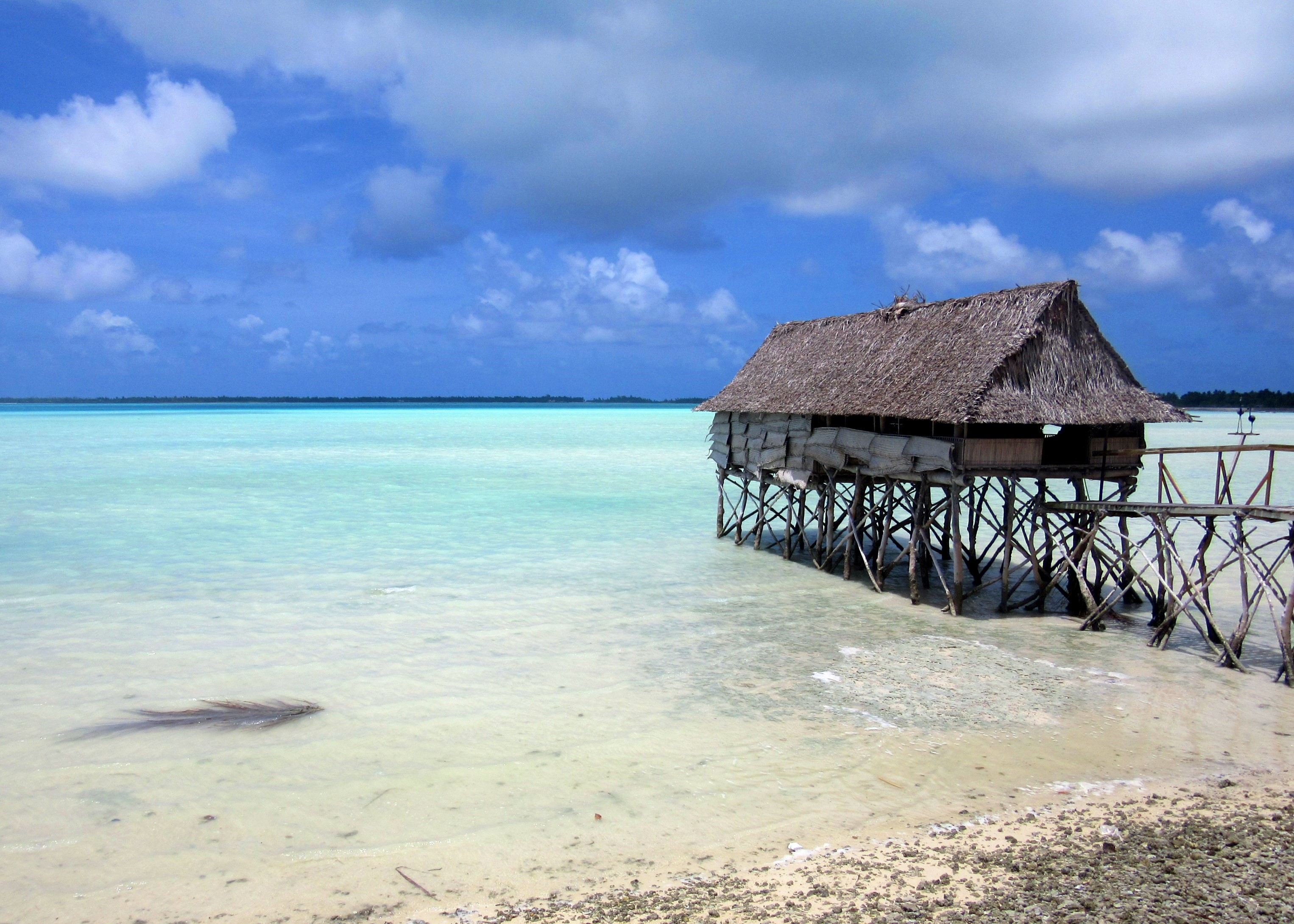
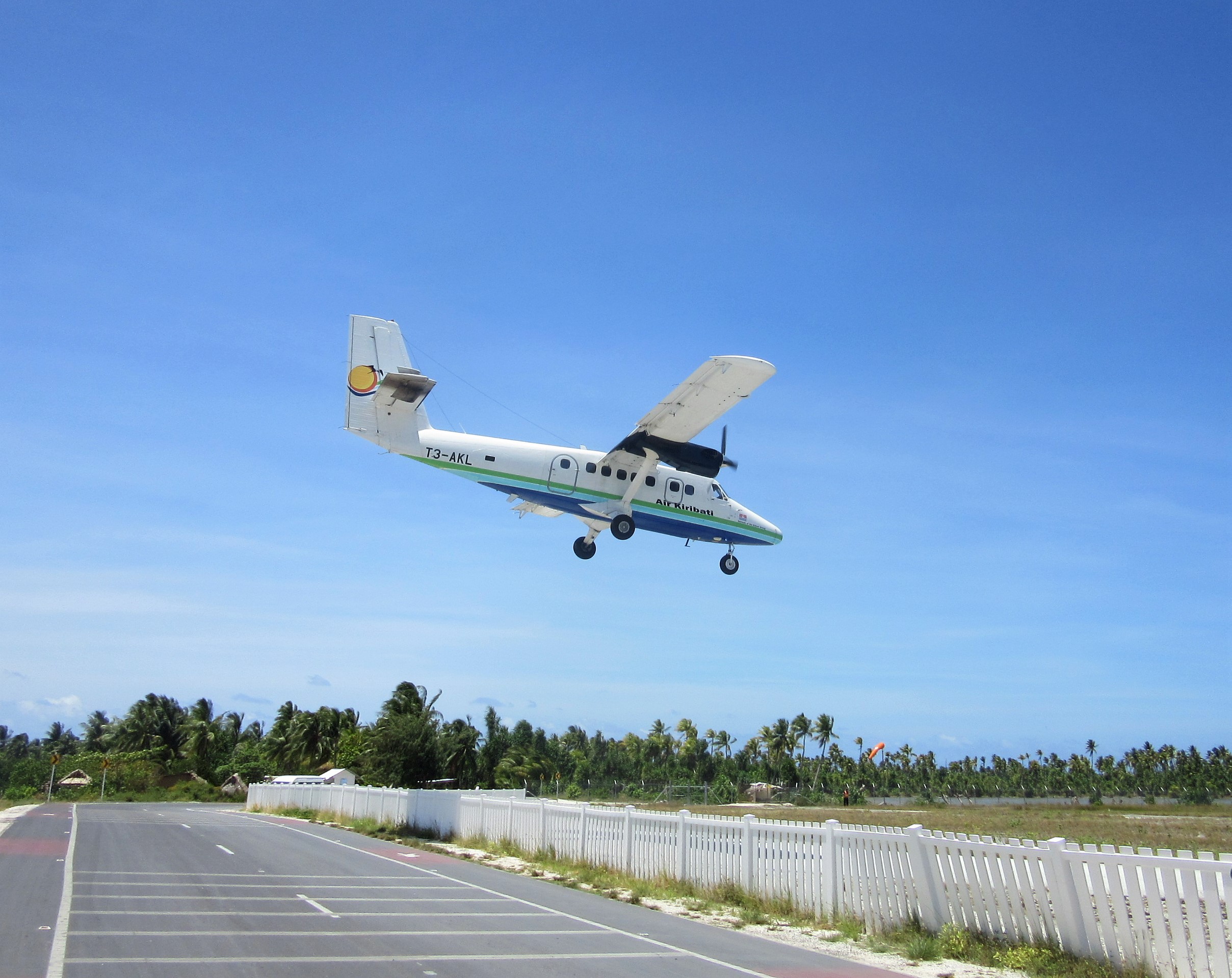
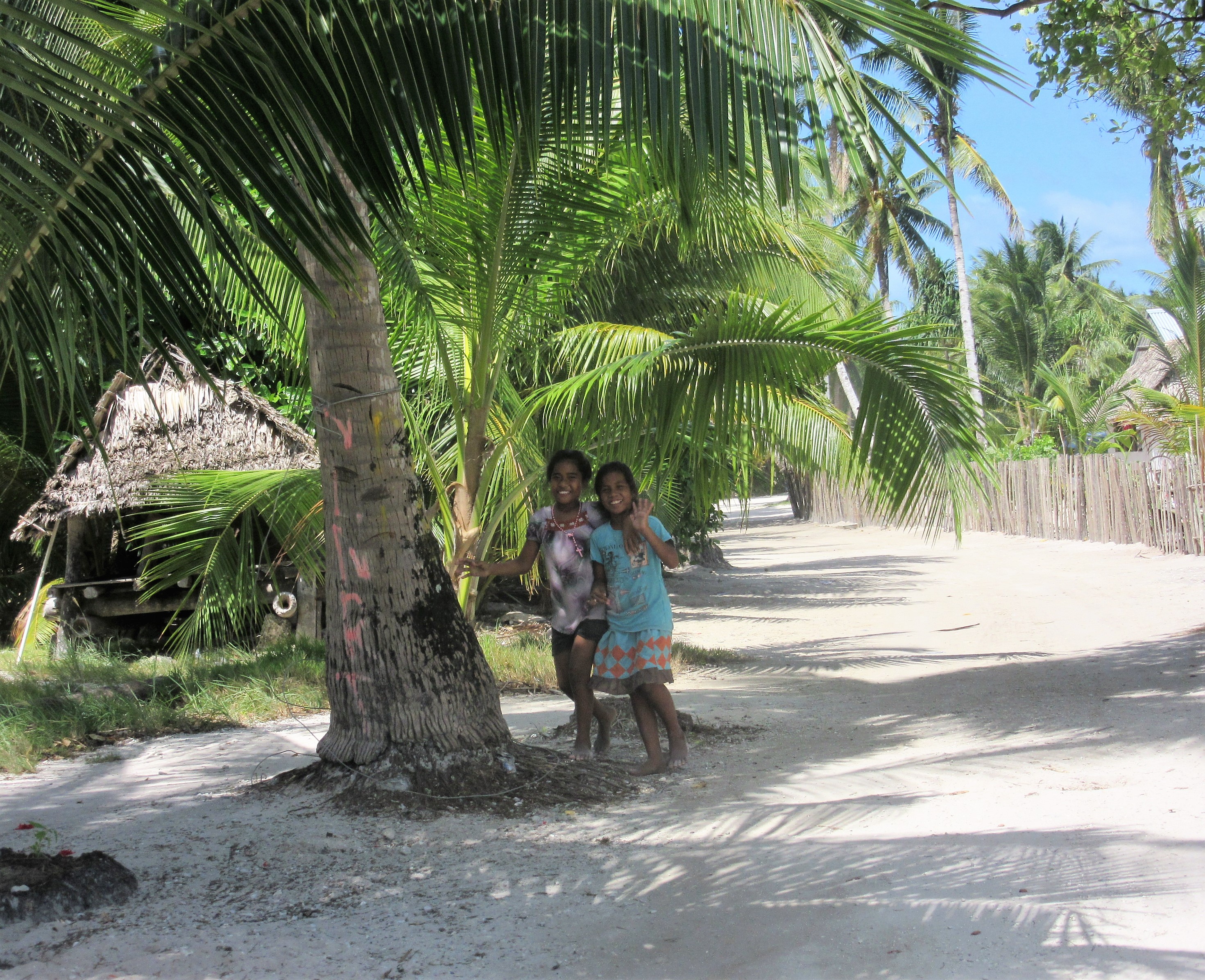
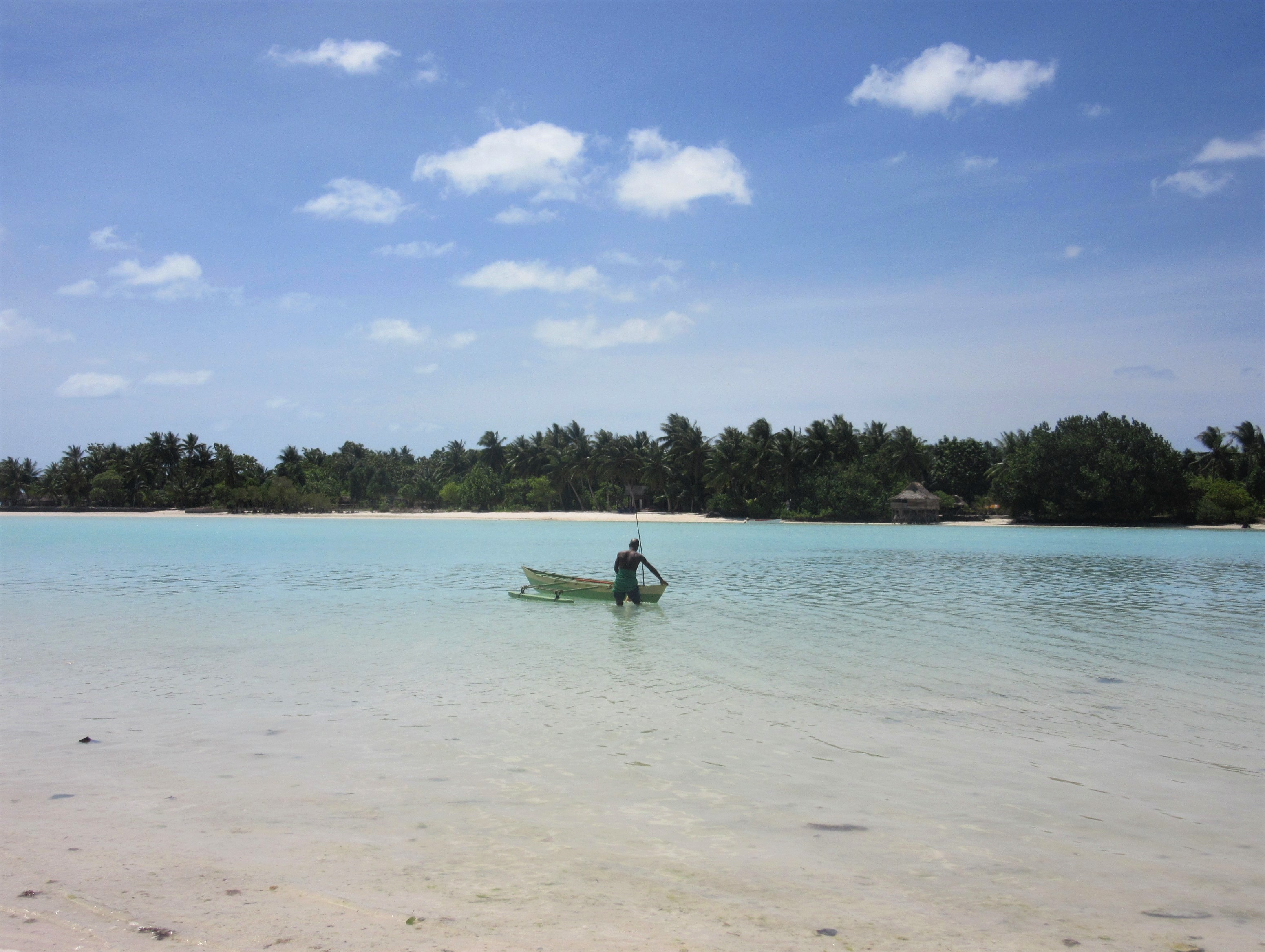
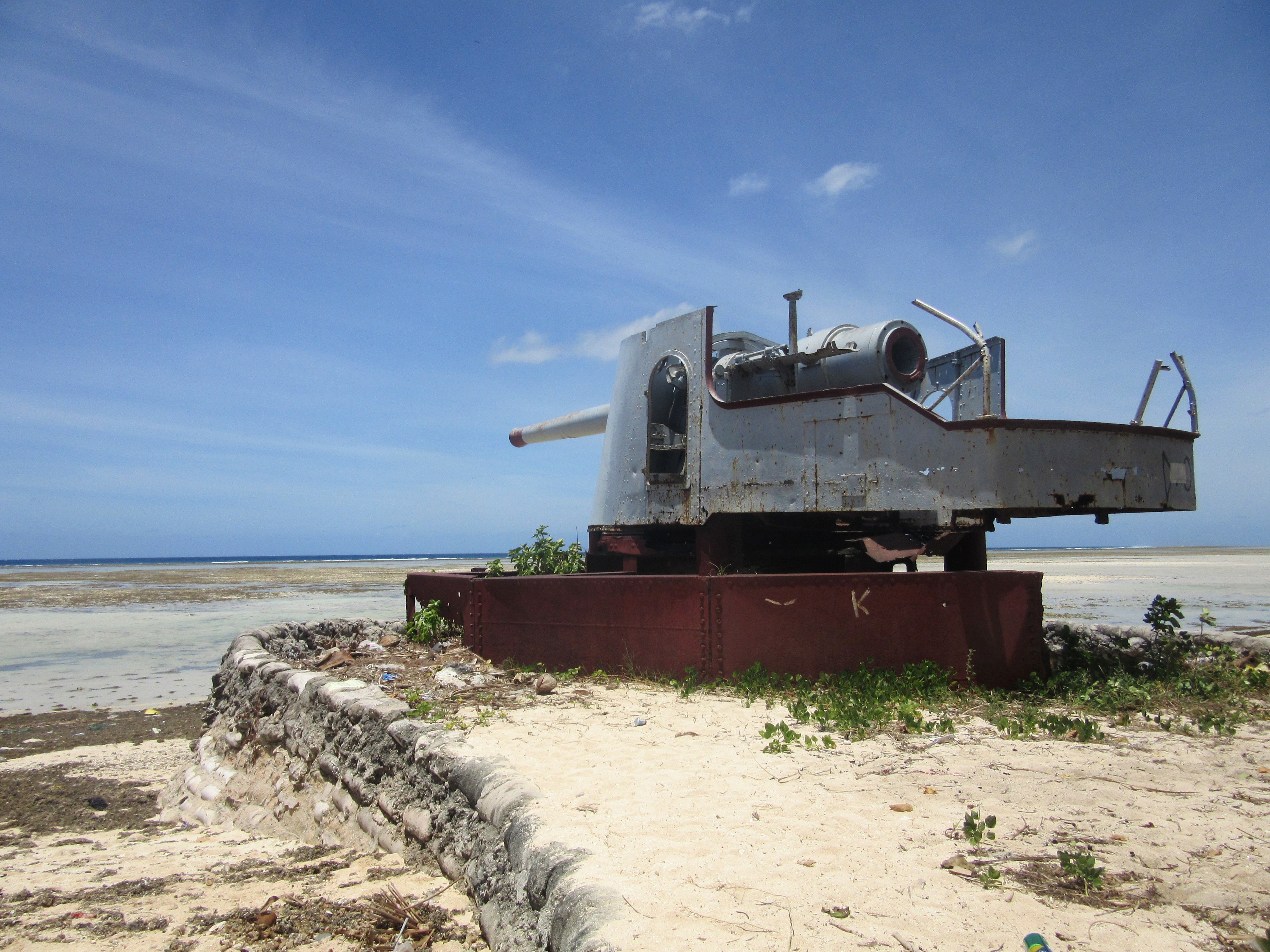
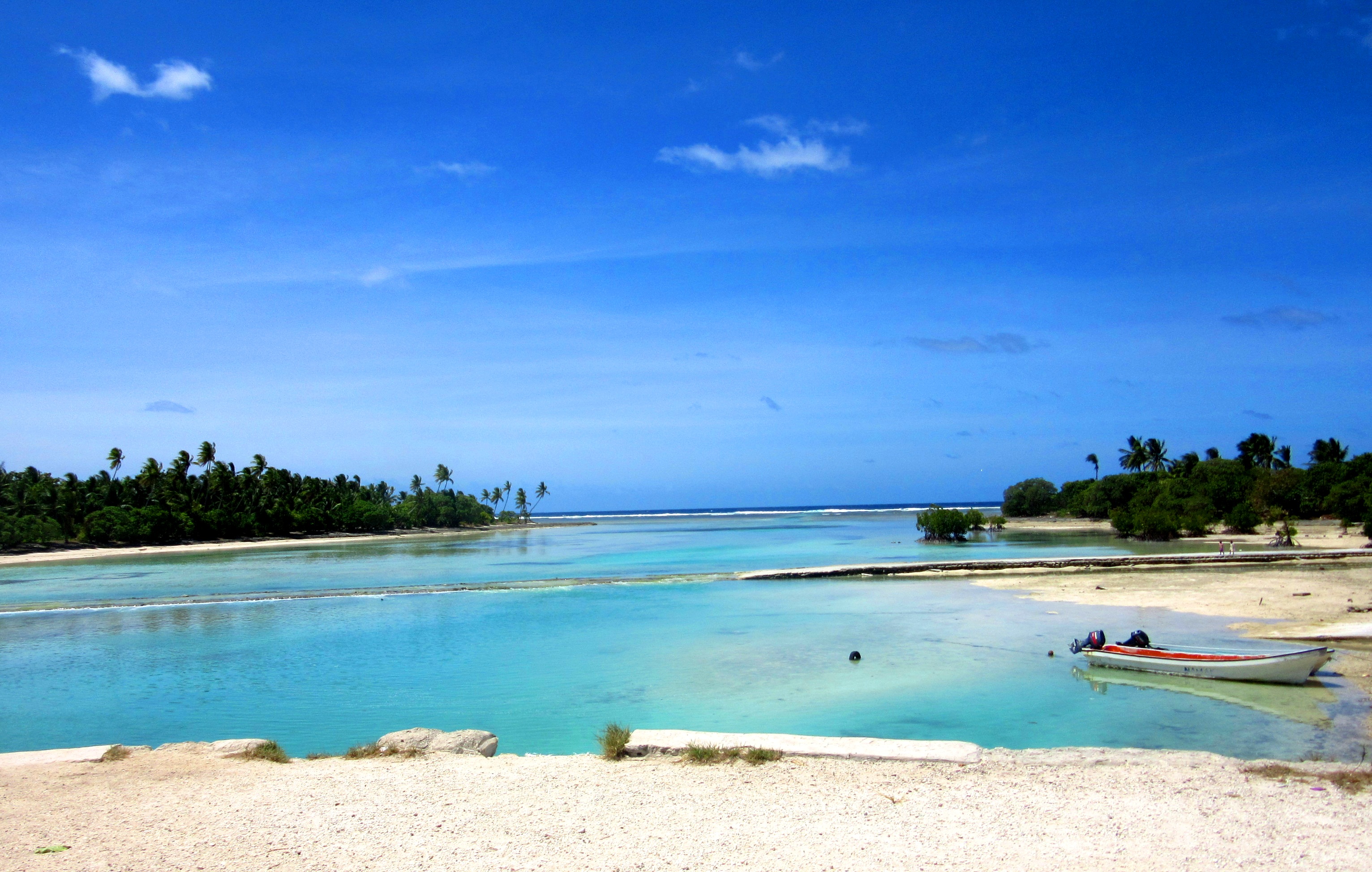
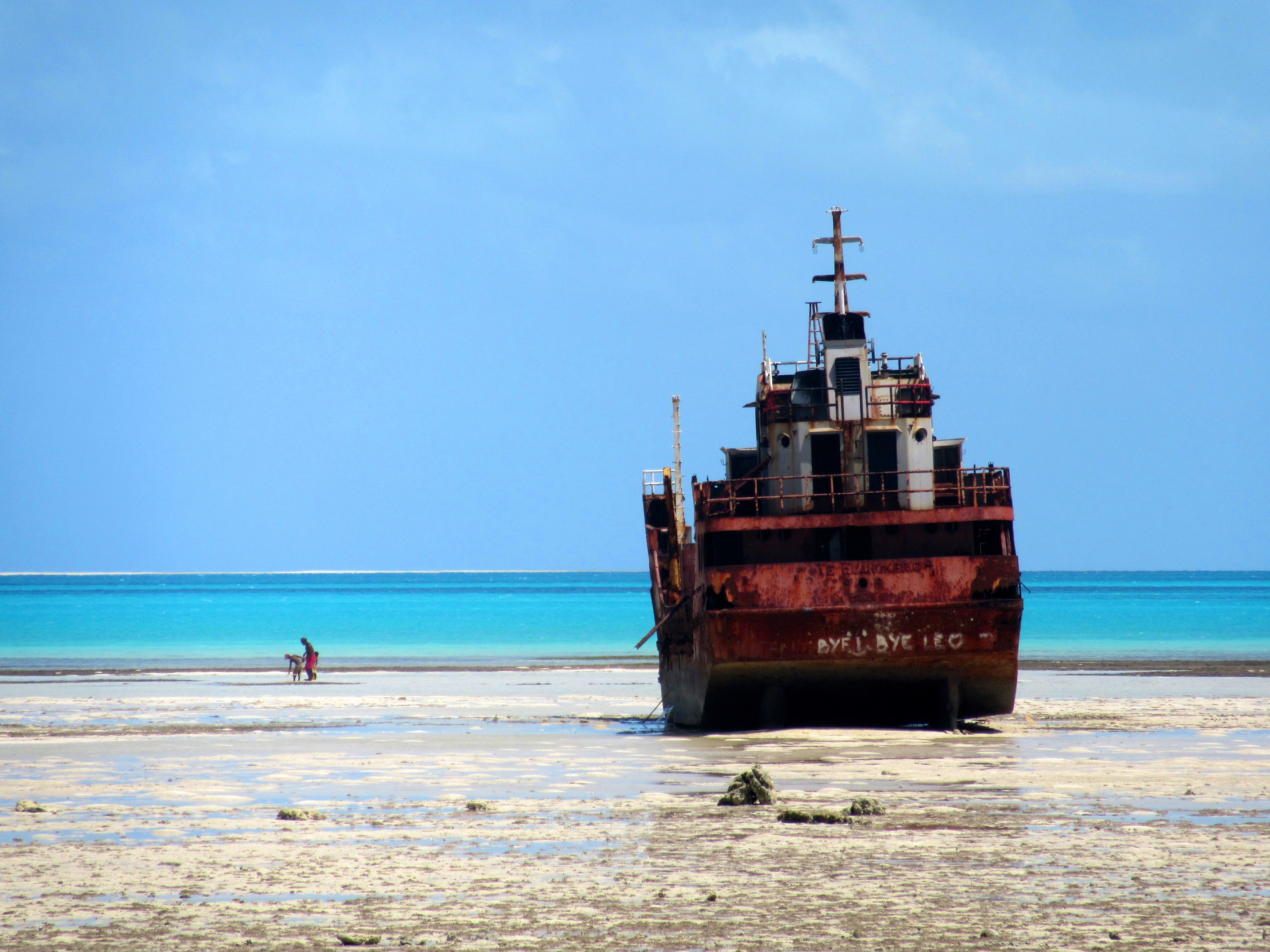
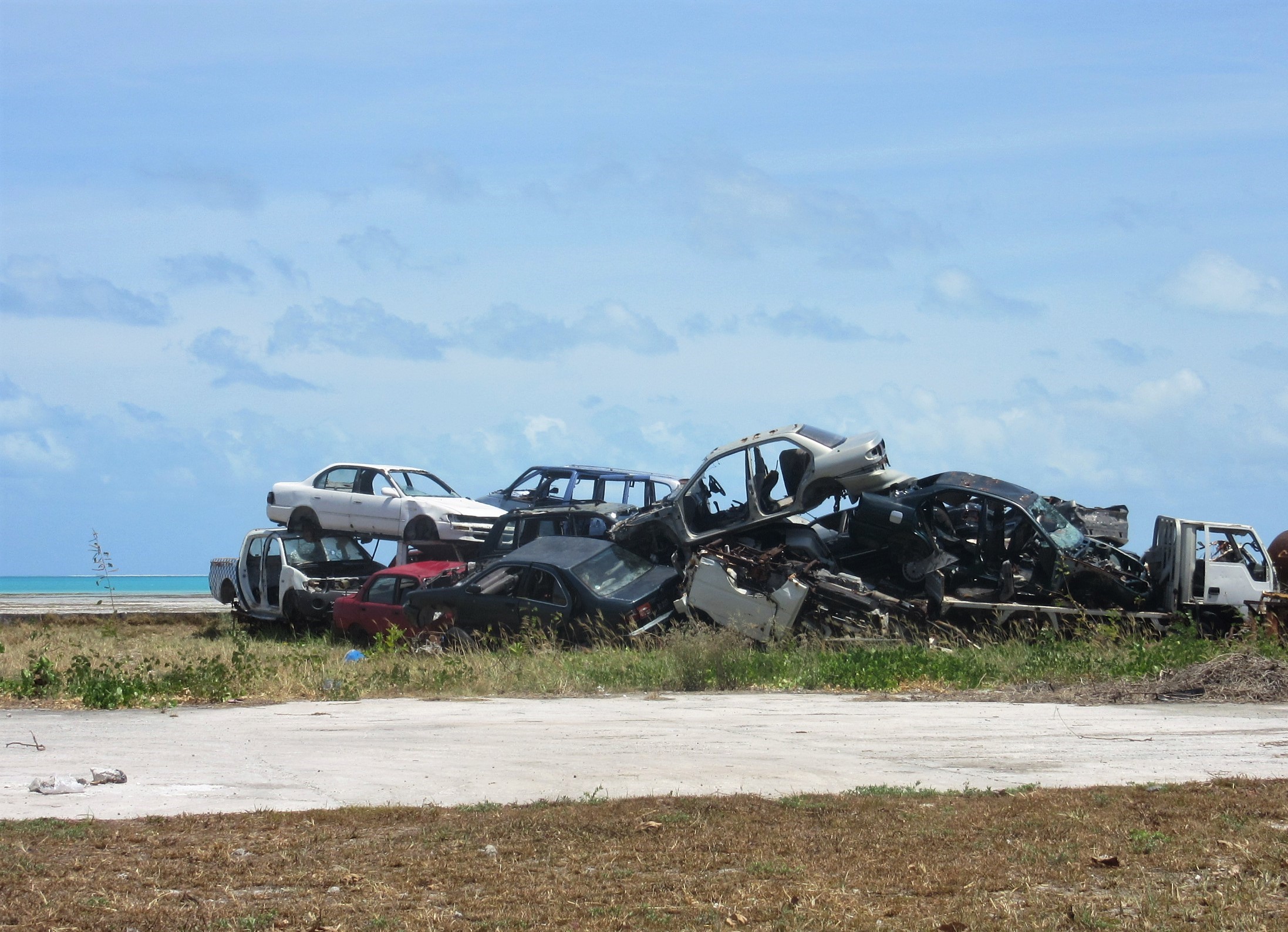
During my travels in the Pacific Region, I was fortunate that all the stars aligned, and I could visit this fascinating place in the middle of the Ocean. I flew there from Nauru and Kiribati revealed itself as a magical world the moment I landed. Unforgettable people and breathtaking views.